
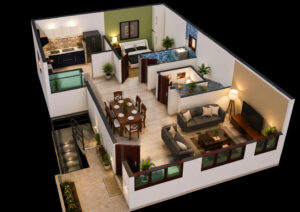
what does an interior designer actually do?
When people think about interior design, they often imagine selecting furniture, choosing paint colors, or decorating a room. While aesthetics are an important part of the process, an interior designer does much more than simply make spaces look beautiful. Interior designers combine creativity, technical knowledge, and practical planning to create spaces that are functional, comfortable, and visually appealing.
At Skandix Designs, we believe interior design is about improving the way people live and experience their spaces.
Understanding Client Needs
The first responsibility of an interior designer is understanding the client’s lifestyle, preferences, and goals. Every home or office has different requirements, and a designer carefully studies how the space will be used before creating a design plan.
For example, a family home may require more storage and child-friendly layouts, while a modern office may focus on productivity and collaboration.
Space Planning and Layout Design
One of the most important tasks of an interior designer is space planning. Designers ensure that every area is used efficiently while maintaining comfort and movement within the space.
They create layouts for:
- Furniture placement
- Lighting arrangements
- Storage solutions
- Traffic flow
- Functional zoning
Good space planning helps maximize both small and large interiors.
Selecting Materials and Finishes
Interior designers help clients choose the right materials, colors, textures, and finishes for the project. This includes:
- Flooring
- Wall finishes
- Furniture
- Fabrics
- Lighting
- Decorative elements
Designers ensure all these elements work together harmoniously to create a balanced and attractive interior. this is what does an interior designer actually do
Budget Management
A professional interior designer also helps clients stay within budget. They recommend suitable materials and solutions that match both the design vision and financial plan.
Designers coordinate with vendors, contractors, carpenters, electricians, and suppliers to ensure the project runs smoothly and efficiently.
Technical Knowledge and Execution
Interior design involves technical expertise as well. Designers prepare drawings, 3D visualizations, electrical layouts, ceiling plans, and furniture details to guide the execution process.
They also ensure that the design is practical, safe, and aligned with construction standards.
Creating Personalized Spaces
Most importantly, interior designers create spaces that reflect the personality and lifestyle of the people using them. A well-designed interior should not only look stylish but also feel comfortable and meaningful.
Every detail — from lighting to furniture placement — contributes to the overall experience of the space.
Final Thoughts
An interior designer does far more than decorate a room. They plan, organize, manage, and transform spaces to improve functionality, comfort, and aesthetics.
Whether it’s a modern apartment, luxury villa, office, or commercial space, professional interior design helps turn ideas into reality with thoughtful planning and creative execution.
At Skandix Designs, we create interiors that combine elegance, practicality, and timeless design to make every space truly special.